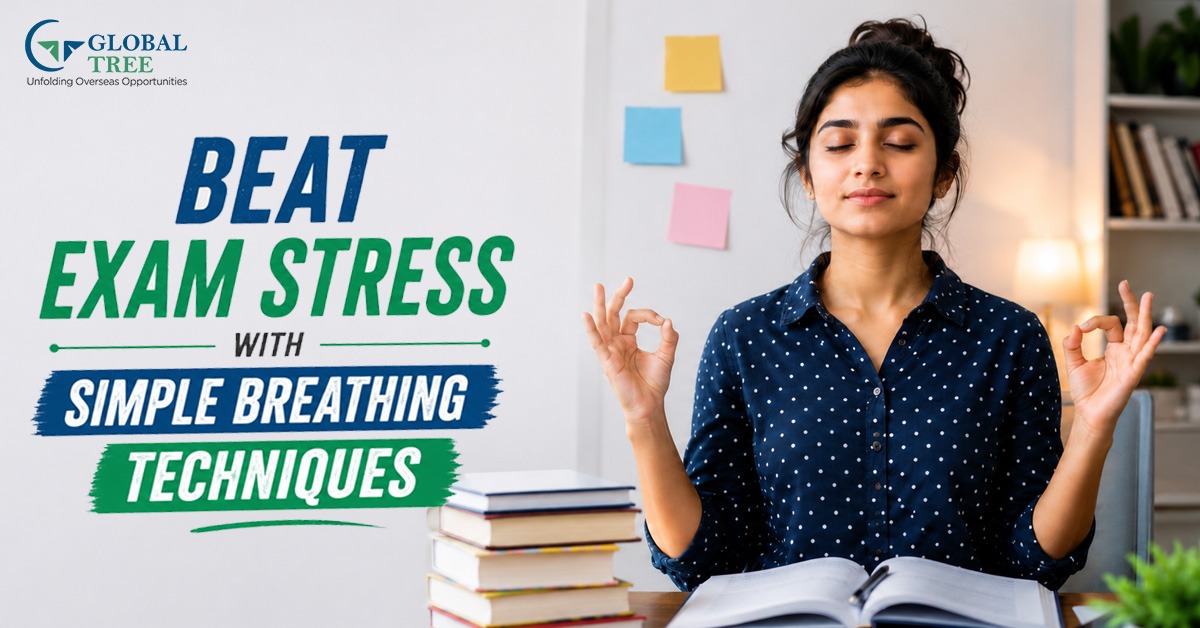
✅ Breathing exercises for exam stress
- Why Students Feel Extreme Stress Before Exams
- The Best Breathing Exercises Students Can Use Before an Exam
- Morning Breathing Routines That Help Students Stay Calm All Day
- What to Do When Panic Hits During an Exam
- Simple Study-Time Breathing Habits That Improve Concentration
- Small Daily Habits That Make Breathing Exercises More Effective
- Final Thoughts on Staying Calm and Mentally Strong During Exams
- Frequently Asked Questions
Why Students Feel Extreme Stress Before Exams
Exam stress generally arises out of fear of failure, pressure to perform, lack of preparation, comparison with others, and uncertainty about outcomes. It is not because many students are stressed due to their weakness, but rather because an exam tends to get emotionally attached to self-confidence and aspirations.
1. Fear of Failure Creates Mental Pressure
The greatest reason that causes students to experience stress prior to their examination is the possibility of failing to live up to their own expectations or those of others. Students often perceive marks as a way to showcase their intelligence or future success, leading to emotional overload due to the pressure they face through self-comparison.
2. Last-Minute Preparation Increases Anxiety
Most learners grasp some ideas in class but postpone their revision till exam periods are close. This makes them panic since at the same time they have uncompleted subjects, uncompleted assignments, and poor time management. Learners who do not plan while revising may end up with mental fatigue rather than productive revision, particularly when cramming information.
3. Unrealistic Expectations Make Stress Worse
In this way, some students feel that they need to get perfect scores in all their subjects, leading to continuous self-imposed pressure during preparation for exams. At times, parents, teachers, coaching sessions, and even social media can contribute to this pressure unknowingly. Students stop concentrating on their progress and only pay attention to getting good marks and winning.
4. Overthinking and Negative Thoughts Affect Concentration
A lack of preparation does not always cause exam stress. Sometimes students study properly but still struggle because of overthinking. Thoughts like:
- "What if I forget everything?"
- "What if the paper is too difficult?"
- "What if I fail?"
can reduce concentration and confidence. Constant anxiety often affects sleep, focus, memory retention, and overall mental energy during exams.
5. Lack of Balance During Preparation Causes Burnout
Most students pay no attention to sleep, pauses, exercise, and relaxation when they are studying for their exams. Long hours of studying without having the right balance of things normally makes a person less productive than more productive. It is surprising how easy it becomes to minimize stress and concentrate during examination time.
[Explore More: The No-Distraction Study Method for Long Productive Hours]
The Best Breathing Exercises Students Can Use Before an Exam
Exercises that promote controlled breathing will assist students to calm down, improve their concentration, and relieve exam-related stress within minutes. The simple breathing exercises prior to taking an exam will calm the mind from being preoccupied with too many things.
1. Box Breathing for Quick Mental Calmness
The box breathing technique is perhaps the simplest one that students can apply just prior to stepping into the examination hall, since this exercise helps slow down the breathing process.
The process is simple:
- Inhale for 4 seconds
- Hold for 4 seconds
- Exhale for 4 seconds
- Hold again for 4 seconds
By repeating the process for a few minutes, the mind is relaxed, and it becomes easier to concentrate. This method is often employed by many athletes, public speakers, and professionals before important occasions.
2. Deep Belly Breathing to Reduce Panic
When students feel anxious, breathing often becomes fast and shallow without realizing it. Deep belly breathing helps reverse this pattern by slowing the body's stress response.
Instead of breathing from the chest:
- Inhale slowly through the nose
- Let the stomach expand naturally
- Exhale gently and fully
This technique helps lower physical tension and creates a calmer mental state before exams. It is especially useful for students who feel sudden panic or restlessness while revising.
3. 4-6 Relaxation Breathing for Overthinking
Some students struggle more with racing thoughts than with actual preparation. The 4-6 breathing method is useful because longer exhalation signals the brain to relax.
Technique:
- Inhale for 4 seconds
- Exhale slowly for 6 seconds
This exercise can help reduce overthinking, improve emotional control, and settle nervousness before opening the question paper.
4. Alternate Nostril Breathing for Better Focus
Alternating Nostril Breathing is used frequently for improving focus and mental stability. Students often employ this breathing technique before studying for tests since it clears one's mind and allows for better focus.
The process involves:
- Closing one nostril while inhaling
- Switching sides while exhaling
- Continuing in a slow rhythm
Many students find this technique useful when they feel mentally distracted or emotionally overwhelmed before exams.
5. Slow Breathing Combined With Positive Self-Talk
Breathing becomes more effective when combined with calmer thinking patterns. Instead of repeating negative thoughts, students can slow their breathing while reminding themselves:
- "I prepared for this."
- "I only need to focus on one question at a time."
- "Staying calm will help me remember better."
This combination often improves confidence more effectively than panic-driven last-minute revision.
Morning Breathing Routines That Help Students Stay Calm All Day
An easy morning breathing technique can assist the students in feeling relaxed, more concentrated, and mentally balanced during their entire day. Breathing controlled immediately after waking up can minimize their level of anxiety, increase concentration, and prepare the brain for their studies and exams.
1. Slow Deep Breathing to Start the Day Calmly
Most students start their day by immediately looking at their phone, stressing about schedules, or stressing about their work. Most of the time, stress is experienced right from the beginning. Taking some time to breathe deeply once you have woken up will help calm your mind.
A simple routine works well:
- Inhale slowly through the nose
- Pause briefly
- Exhale gently without rushing
Doing this for even five minutes can help students feel less mentally scattered during the day.
2. Rhythmic Breathing for Better Focus During Classes
Students often struggle with attention and mental fatigue during long study hours or classes. Rhythmic breathing techniques help improve alertness without creating restlessness.
One useful method is:
- Breathing in for a fixed count
- Exhaling with the same rhythm
- Maintaining a steady breathing speed
This creates a balanced mental state that helps students stay focused during lectures, revision sessions, and assignments.
3. Energizing Morning Breathing for Low Motivation
Some students wake up feeling mentally tired or unmotivated, especially during exam periods. Faster controlled breathing techniques can help increase alertness naturally without depending immediately on caffeine or stress.
Short energizing breathing routines are often used before:
- Morning study sessions
- Presentations
- Exams
- Important classes
because they help improve mental energy and concentration levels early in the day.
[Discover More: Beat Frustration and Stay Motivated While Learning]
4. Breathing With Stretching Improves Mental Relaxation
Breathing exercises paired with some simple stretching are usually more effective than just sitting down worrying about studies. Moving about while breathing will help loosen the tension accumulated in your shoulders, neck, and back without you even knowing it due to the stress that academics impose on you.
This routine can be especially helpful for students spending long hours studying or attending online classes.
5. Consistency Matters More Than Complexity
Students often search for complicated wellness routines but struggle to maintain them consistently. In reality, even a very simple breathing habit practiced daily can improve emotional balance over time.
A calm morning routine helps students:
- Think more clearly
- React less emotionally to pressure
- Improve concentration
- Feel less overwhelmed during exams and deadlines
The goal is not perfection, but creating a healthier mental rhythm before the stress of the day begins.
[Know More: The Secret Formula to Preparing for Exams and Scoring Big]
What to Do When Panic Hits During an Exam
Exam anxiety could render the most prepared student unable to remember answers temporarily. The ideal method to deal with exam anxiety involves focusing on calming down and relaxing your breath while trying to think clearly.
1. Stop for a Few Seconds Instead of Panicking More
One of the first mistakes that most students commit is the tendency to resist the panic right away. Once the panic hits, they tend to think that they have already forgotten all about their work. However, panic does not really mean forgetting; it just makes them unable to concentrate on their work for a certain period of time.
Helpful things to do:
- Put the pen down for a moment
- Sit back slightly and relax your shoulders
- Avoid rushing through the paper
- Remind yourself that temporary panic is common
2. Control Your Breathing Before Looking at the Paper Again
During a panic attack, breathing will normally be quick and shallow without the student realizing it. This adds to the level of anxiety and makes it hard for the students to concentrate. Taking deep breaths allows for relaxation within minutes.
Simple breathing reset:
- Inhale slowly through the nose
- Exhale more slowly than the inhale
- Repeat for 4-5 breaths
- Focus only on breathing rhythm
This helps reduce physical symptoms like a fast heartbeat, shaking, and mental blankness.
3. Focus on One Question Instead of the Entire Exam
Looking at the whole question paper while stressed can feel overwhelming. Instead of thinking about marks, time, or unfinished sections, focus only on answering the next small part.
A good strategy is to:
- Start with the easiest question
- Write one point at a time
- Solve familiar sections first
- Build confidence gradually
Once students begin writing again, the mind often becomes calmer naturally.
4. Avoid Comparing Yourself With Other Students
Seeing other students writing rapidly is one factor that causes anxiety in examinations. This is because most students are under the impression that their classmates know everything, and this makes them doubt themselves needlessly.
Things to remember:
- Every student writes at a different speed
- Accuracy matters more than speed
- Many students around you are also anxious
- Your focus should stay on your own paper
Avoiding comparison helps reduce unnecessary pressure during the exam.
5. Use Grounding Techniques to Regain Mental Control
Grounding techniques help students bring attention back to the present moment when thoughts start spiraling. These small physical actions can interrupt panic and improve concentration.
Simple grounding methods:
- Press your feet gently against the floor
- Hold the pen firmly
- Read one line slowly before answering
- Count slowly while breathing
These techniques may seem simple, but they often help students regain emotional control surprisingly quickly during stressful moments.
[Read Now: How to Avoid Distractions and Study With Full Attention]
Simple Study-Time Breathing Habits That Improve Concentration
Some small breathing techniques while studying can assist one to focus, avoid mental fatigue, and relax while studying. Breathing can assist the mind to concentrate for prolonged durations without suffering from mental exhaustion by reducing the number of distractions and stress levels.
1. Take Short Breathing Pauses Between Study Sessions
Most learners keep studying for several hours non-stop without taking breaks to let their minds rest. Such habits usually end up reducing focus instead of increasing it. Brief breathing breaks after completing topics or subjects assist in rejuvenating the brain before resuming work.
A simple reset routine:
- Close your eyes for a minute
- Take slow, deep breaths
- Relax your shoulders and jaw
- Start studying again calmly
Even two minutes of controlled breathing can reduce mental overload during intense study sessions.
2. Use Slow Breathing Before Starting Difficult Subjects
Students usually feel more anxious before subjects they struggle with. This tension often affects understanding and concentration even before studying begins. Taking a few calm breaths before opening difficult topics helps reduce mental resistance.
Helpful habit before studying:
- Inhale slowly through the nose
- Exhale gently without rushing
- Repeat for 1-2 minutes
- Start with small study goals
This creates a calmer mindset and makes difficult subjects feel less overwhelming.
3. Match Your Breathing With Reading Speed
One common reason students lose focus is rushing while reading. Fast reading combined with stress often leads to poor understanding and repeated revision.
Instead:
- Read slowly and steadily
- Pause naturally while breathing
- Avoid mentally "racing" through pages
- Focus on understanding instead of speed
Students often remember information better when the mind is calmer during reading.
4. Use Breathing to Handle Study Frustration
Sometimes students become irritated when they cannot solve problems, remember concepts, or finish tasks quickly. This frustration usually reduces productivity further.
A better approach is:
- Stop for a moment
- Take slow breaths
- Relax the body slightly
- Return to the problem calmly
Breathing helps interrupt stress reactions before they become full mental exhaustion.
5. End Study Sessions With Calm Breathing Instead of Stress
Many students finish studying while still mentally tense, immediately switching to phones, social media, or worrying about unfinished work. Ending study sessions calmly helps the brain process information better and reduces emotional fatigue.
Simple ending routine:
- Sit quietly for one minute
- Take slow breaths
- Mentally review what was completed
- Avoid immediately jumping into distractions
This habit helps students feel less overwhelmed across the entire day.
[Explore Now: Powerful Strategies to Improve Your Concentration While Studying]
Small Daily Habits That Make Breathing Exercises More Effective
However, breathing techniques become far more effective when coupled with other health-related habits. Factors such as sleep, hydration, screen time regulation, physical activity, and good routines can positively influence the mind state during stressful situations and tests.
1. Sleeping Properly Helps the Body Respond Better to Breathing Exercises
Most students who practice breathing exercises do this while jogging with minimal sleep; hence, settling down the mind becomes difficult. Minimal sleep causes one to be overly sensitive to stress and overthink. Breathing exercises are easily done when the mind is well-rested.
Helpful sleep habits:
- Sleep at a consistent time
- Avoid heavy screen usage before bed
- Reduce late-night study panic
- Wake up with enough time before classes or exams
A rested mind usually responds faster to relaxation techniques.
2. Reducing Constant Phone Usage Improves Mental Calmness
With continuous scrolling, constant notifications, and comparisons on social media, the brain remains stimulated all day long. Consequently, it becomes difficult for the brain to relax and slow down its functioning when practicing breathing techniques.
Small changes that help:
- Avoid checking the phone immediately after waking up
- Keep short no-screen periods during study time
- Reduce doom-scrolling before exams
- Spend a few quiet minutes without distractions
Students often notice better concentration and calmer breathing when digital overload decreases.
3. Physical Movement Helps Release Stress Naturally
Students sometimes underestimate how much stress is stored physically in the body. Sitting for long hours while studying increases tension in the shoulders, neck, and back, which also affects breathing patterns.
Simple daily movement can help:
- Short walks between study sessions
- Light stretching
- Gentle exercise
- Moving around instead of studying continuously for hours
Breathing exercises usually feel more natural when the body itself is less tense.
4. Staying Hydrated and Eating Properly Affects Anxiety Levels
Skipping meals, drinking excessive caffeine, or staying dehydrated can increase nervousness and restlessness. Many students mistake physical exhaustion for emotional stress.
Healthy daily habits include:
- Drinking enough water regularly
- Avoiding too much caffeine during exams
- Eating balanced meals instead of stress-snacking
- Not studying for long periods without breaks
A calmer body often supports a calmer mind.
[Read More: The Productivity Formula for Study Sessions and Breaks]
5. Consistency Works Better Than an Intense One-Day Effort
Many students try breathing exercises only when stress becomes extreme. The real benefit comes from practicing small calming habits consistently, even during normal days.
Simple routines that help:
- Two minutes of slow breathing daily
- Quiet breathing before sleep
- Morning breathing after waking up
- Short mental breaks during study sessions
Over time, the brain starts responding more quickly to relaxation because calmness becomes familiar rather than something used only during panic.
Final Thoughts on Staying Calm and Mentally Strong During Exams
Examinations can be handled easily when students learn to concentrate more on consistency, calmness, and realistic preparation rather than fear and pressure. Exam mental toughness has nothing to do with completely getting rid of stress, but more with knowing how to cope with it while remaining focused.
Most students assume that mentally tough people do not suffer any form of nervousness when taking exams. This is definitely a myth because most people have felt stressed, doubtful, or even overthink during critical times in their academics. The only thing that matters is how they cope with the pressure.
Simple habits like:
- Controlled breathing
- Proper sleep
- Planned revision
- Short breaks
- Positive self-talk
can make a bigger difference than studying continuously while exhausted and anxious.
Another thing that must be remembered is that one test does not make you an intelligent person or guarantee your success in the future. Some students are so anxious about their grades that they lose sight of the fact that gaining knowledge is more important than anything else. Success will depend more on how consistent and confident you become in whatever career path you choose.
During exams:
- Focus on one paper at a time
- Avoid unhealthy comparison
- Do not panic over temporary mistakes
- Trust your preparation gradually
A calm mind usually performs better than a fearful one. Staying mentally balanced during exams is not about being perfect; it is about learning to handle pressure without letting it completely control your thoughts and confidence.
Frequently Asked Questions
1. How do breathing exercises help reduce exam stress?
Breathing exercises help calm the nervous system by slowing the heart rate and reducing feelings of anxiety. Studies have shown that controlled breathing can lower stress levels within just a few minutes. Even 5 to 10 minutes of focused breathing daily can improve concentration and emotional control before exams.
2. What is the easiest breathing exercise for students before an exam?
One of the simplest techniques is deep belly breathing, where you inhale slowly through your nose and exhale through your mouth. This exercise helps increase oxygen flow and relax tense muscles. Many students notice reduced nervousness after practicing it for a few minutes.
3. How long should students practice breathing exercises each day?
Most experts recommend practicing for 5 to 15 minutes daily to experience noticeable benefits. Consistent practice is more effective than doing long sessions occasionally. Regular breathing exercises can also improve focus and reduce exam-related anxiety over time.
4. What is the 4-4-4 breathing technique?
The 4-4-4 method involves inhaling for four seconds, holding the breath for four seconds, and exhaling for four seconds. This technique helps regulate breathing patterns and promotes relaxation. Many students use it before exams because it is simple and easy to remember.
5. Can breathing exercises improve concentration while studying?
Yes, controlled breathing increases oxygen supply to the brain, which can support focus and mental clarity. Reduced stress also makes it easier to retain information during study sessions. Students who manage anxiety effectively often perform better in learning environments.
6. What is box breathing and why is it useful?
Box breathing involves inhaling, holding, exhaling, and pausing for equal counts, usually four seconds each. This method is commonly used to improve calmness and mental focus under pressure. It can be especially helpful before exams, presentations, or interviews.
7. Should students use breathing exercises during an exam?
Yes, breathing exercises can be used discreetly during an exam if stress levels rise. Taking a few slow, controlled breaths can help regain focus and reduce panic. Many students find that even one minute of calm breathing improves concentration.
8. Can breathing exercises help with exam-related sleep problems?
Yes, slow breathing techniques help relax the body and prepare the mind for sleep. Stress and anxiety often interfere with rest before important exams. Practicing breathing exercises before bedtime may improve sleep quality and reduce nighttime worry.
9. Are breathing exercises better when combined with other stress-management methods?
Yes, breathing exercises work best when combined with healthy habits like regular sleep, exercise, and effective study planning. Managing exam stress usually requires a combination of physical and mental wellness strategies. Students who follow balanced routines often report lower anxiety levels.
10. How quickly do breathing exercises work during stressful situations?
Many people feel calmer within one to three minutes of controlled breathing. The body responds quickly when breathing becomes slower and more rhythmic. This makes breathing exercises a practical tool during sudden moments of exam stress.
11. Can breathing exercises help students avoid panic during exams?
Breathing exercises can reduce physical symptoms of panic such as rapid heartbeat and shallow breathing. They help bring attention back to the present moment instead of focusing on fear. Regular practice improves a student's ability to stay calm under academic pressure.
12. What mistakes should students avoid while practicing breathing exercises?
Many students breathe too quickly or force deep breaths, which can cause discomfort. Breathing should remain slow, natural, and comfortable rather than rushed. Consistency is also important, as occasional practice is less effective than making it a regular habit.