


✅ How to Cook Simple Meals as a Student on a Budget
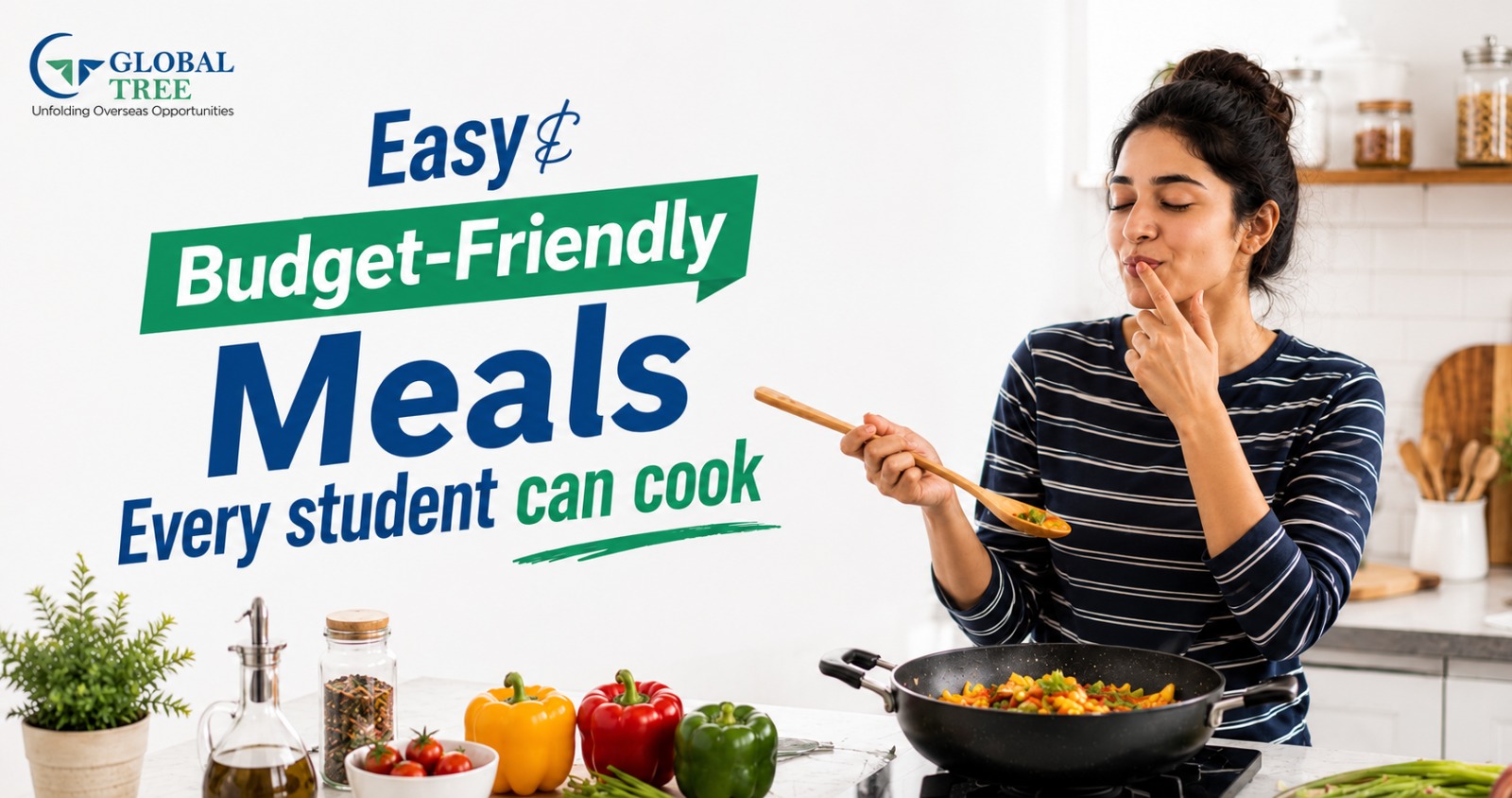
- Why Learning Basic Cooking Skills Can Save Students Time and Money
- Setting Up a Student-Friendly Kitchen Without Overspending
- Easy Breakfast Ideas for Busy College and University Students
- Simple Lunch and Dinner Recipes That Require Minimal Ingredients
- Smart Grocery Shopping Tips for Students Living Away From Home
- Healthy Snacks Students Can Make in Minutes
- Conclusion
- Frequently Asked Questions
Why Learning Basic Cooking Skills Can Save Students Time and Money
Investing in acquiring basic cooking skills is one of the best investments a student can make! Cooking simple meals at home can save you money on food, promote healthier food choices, promote independence, and save time that would otherwise be used to order or search for a low-cost meal every day.
1. The Benefits of Student Cooking Over Frequent Takeout
For many students, takeout seems convenient at first. After a long day of classes, ordering food requires little effort and provides instant satisfaction. However, frequent takeout can quickly become expensive and often makes it difficult to control ingredients, portion sizes, and nutrition.
Basic cooking skills give students more flexibility. A meal prepared at home usually costs significantly less than restaurant food and can often provide multiple servings. Over weeks and months, the savings become substantial. Students who cook regularly also gain greater control over what they eat, making it easier to maintain energy levels and healthier eating habits during demanding academic periods.
2. Essential Kitchen Skills Every Beginner Should Learn
Many students avoid cooking because they believe it requires advanced culinary knowledge. In reality, a small set of practical skills can make meal preparation much easier.
Useful beginner skills include:
- Safely using kitchen equipment
- Chopping fruits and vegetables
- Boiling rice, pasta, and eggs
- Preparing simple sauces
- Storing food properly
- Following basic recipes
Mastering these fundamentals allows students to prepare dozens of affordable meals without needing complicated techniques. The goal is not becoming a professional chef. The goal is becoming comfortable enough in the kitchen to cook everyday meals independently.
3. Building Confidence With Easy Homemade Meals
Confidence plays a major role in cooking. Many beginners become discouraged after attempting difficult recipes that require specialized ingredients or complicated preparation methods.
A better approach is to start with simple meals that offer a high chance of success. Dishes such as vegetable stir-fries, rice bowls, sandwiches, pasta, omelets, and soups help students develop practical skills while producing meals they can enjoy immediately.
Each successful meal builds confidence. Over time, students become more willing to experiment with new ingredients, flavors, and cooking methods without feeling overwhelmed.
4. Creating Healthy Eating Habits on a Budget
Student budgets often create the misconception that healthy eating is expensive, but selecting the best college meal plan can make nutritious food more affordable. In reality, many nutritious foods are among the most affordable ingredients available when purchased and prepared wisely.
Cooking at home makes it easier to include:
- Fresh vegetables
- Fruits
- Whole grains
- Lean proteins
- Legumes and beans
Students who prepare their own meals can make healthier choices without paying premium prices for restaurant or convenience foods. Small improvements in daily nutrition often lead to better concentration, improved energy, and stronger overall well-being.
5. Reducing Food Expenses While Studying
Food is one of the largest recurring expenses for many students. Small spending decisions made every day can significantly affect a monthly budget.
Consider the difference:
- Buying lunch and dinner daily
- Preparing meals at home several times per week
The second option typically decreases costs significantly and gives greater control over the quality of the food eaten. Students who carefully schedule their meals and shop carefully to create a grocery list and cook meals in larger quantities will frequently save money without sacrificing creativity or nutrition.
Over the course of an academic year, that money can be used elsewhere, such as for books, travel, savings, or other necessary expenses.
6. Making Cooking Part of a Busy Student Routine
One common concern among students is a lack of time. Between lectures, assignments, part-time jobs, and social activities, cooking can feel like another responsibility competing for attention.
The key is simplifying the process. Students do not need to cook elaborate meals every day. Preparing ingredients in advance, making larger portions, and choosing quick recipes can make cooking fit naturally into a busy schedule.
Many successful student cooks spend a small amount of time planning meals for the week rather than deciding what to eat each day. This approach reduces stress, saves money, and prevents last-minute reliance on expensive takeout options.
[Learn More: The Secret Brain Foods Students Need Before Exams]
Setting Up a Student-Friendly Kitchen Without Overspending
It is possible for a student kitchen to consist of inexpensive kitchen utensils and no expensive professional cookery or kitchen equipment. Students can cook inexpensive meals, save money on eating at fast food restaurants, and create healthy cooking habits within the boundaries of their budget through choosing only a few necessary items to have in their kitchen.
Basic Cookware Essentials
These are the items that handle most everyday cooking tasks. Instead of buying large cookware sets, start with a few versatile pieces that can be used for multiple meals.
| Item | Why You Need It |
|---|---|
|
Medium Frying Pan |
For eggs, vegetables, stir-fries, and quick meals |
|
Saucepan |
Ideal for rice, pasta, soups, and sauces |
|
Large Pot |
Useful for batch cooking and meal prep |
|
Baking Tray (Optional) |
Helpful for roasting vegetables or simple oven meals |
|
Cutting Board |
Essential for safe food preparation |
Affordable Cooking Utensils
Many beginner cooks overspend on gadgets they rarely use. A few basic tools are enough for most student meals.
| Item | Purpose |
|---|---|
|
Chef's Knife |
Handles most chopping and slicing tasks |
|
Wooden Spoon |
Safe for stirring most cookware |
|
Spatula |
Useful for flipping and serving food |
|
Measuring Cups or Spoons |
Helps with recipes and portion control |
|
Can Opener |
Important for pantry staples |
|
Colander |
Makes draining pasta and vegetables easier |
Budget-Friendly Pantry Staples
A well-stocked pantry makes quick and affordable meals much easier. These ingredients have a long shelf life and can be used in dozens of recipes.
| Pantry Staple | Meal Uses |
|---|---|
|
Rice |
Bowls, stir-fries, side dishes |
|
Pasta |
Quick lunches and dinners |
|
Oats |
Breakfast and snacks |
|
Lentils or Beans |
Protein-rich meals |
|
Cooking Oil |
Everyday cooking |
|
Salt and Pepper |
Basic seasoning |
|
Garlic and Onion Powder |
Adds flavor easily |
|
Peanut Butter |
Snacks and breakfasts |
|
Canned Tomatoes |
Soups, sauces, and pasta dishes |
Refrigerator Essentials
Keeping a few reliable ingredients in the fridge makes meal preparation faster and reduces unnecessary food deliveries.
| Pantry Staple | Benefit |
|---|---|
|
Eggs |
Affordable protein source |
|
Milk or Plant-Based Alternative |
Breakfasts and beverages |
|
Yogurt |
Snacks and quick meals |
|
Fresh Vegetables |
Nutrition and meal variety |
|
Fruits |
Healthy snacks |
|
Cheese (Optional) |
Adds flavor to simple meals |
|
Cooked Leftovers |
Saves cooking time |
Meal Storage Containers
Students often overlook storage containers, but they can save both time and money. Proper storage encourages meal prep and reduces food waste.
Choose containers that are:
- Microwave-safe
- Easy to stack
- Leak-resistant
- Durable for repeated use
Having a few containers available makes it easier to prepare meals in advance and avoid buying food when busy.
Time-Saving Kitchen Tools
Not every kitchen gadget is necessary, but a few affordable tools can make cooking much more convenient.
| Tool | Time-Saving Benefit |
|---|---|
|
Electric Kettle |
Fast water boiling for meals and drinks |
|
Rice Cooker |
Simplifies meal preparation |
|
Microwave |
Quick reheating and simple cooking |
|
Food Storage Bags |
Helps organize ingredients |
|
Vegetable Peeler |
Speeds up food prep |
Easy Breakfast Ideas for Busy College and University Students
Breakfast does not have to be complicated or take a lot of time; it is possible to make a good breakfast that will give you a great start to your day. Students can prepare quick, inexpensive, and healthy breakfast items that will help them keep their energy up during their classes, study sessions, and all the different activities that they participate in on campus.
1. Quick High-Protein Breakfast Recipes
Protein helps students stay full for longer and prevents the energy crashes that often follow sugary breakfasts. The good news is that high-protein meals can be prepared in just a few minutes without advanced cooking skills.
Simple options include Greek yogurt with fruit, peanut butter on whole-grain toast, cottage cheese bowls, or a protein-packed wrap with eggs and vegetables. Even combining yogurt, nuts, and fruit can create a balanced breakfast that supports focus and concentration during long lectures.
For students with packed schedules, choosing breakfasts that contain protein often reduces unnecessary snacking later in the day.
2. Healthy Oatmeal and Overnight Oats Variations
Oats remain one of the most budget-friendly and versatile breakfast foods for students. They are inexpensive, easy to prepare, and can be customized with different flavors throughout the week.
Some simple combinations include:
- Banana and peanut butter oats
- Apple and cinnamon oatmeal
- Mixed berry overnight oats
- Chocolate and banana oats
- Yogurt and fruit oat bowls
Overnight oats are especially useful because they require almost no preparation in the morning. Students can prepare several jars in advance and have breakfast ready for multiple days.
3. Egg-Based Meals Ready in Minutes
For student cooking, eggs are one of the most versatile ingredients! These are inexpensive; they are high in protein, and they can be used for many breakfast items.
Examples of egg breakfast meals you can make quickly would be scrambled eggs, a vegetable omelet, an egg sandwich, a boiled egg with toast, or a simple breakfast wrap. Most of these can be made in under 10 minutes, making them perfect for students who are in a hurry to get to classes in the morning.
Because eggs go well with vegetables, cheese, bread, or rice, you can easily create a balanced and filling breakfast!
4. Smoothies for Energy and Focus
For students who struggle to eat a full breakfast early in the morning, smoothies provide a convenient alternative. They require minimal preparation and can be consumed while commuting or walking to class.
A basic smoothie might include:
- Banana
- Milk or yogurt
- Oats
- Peanut butter
- Frozen fruits
This combination provides carbohydrates, protein, and healthy fats that support steady energy levels. Smoothies are also useful for students who want a quick breakfast without spending time cooking.
[Explore Now: The Best British Foods and Where to Find Them]
5. Toast and Sandwich Combinations for Busy Mornings
Toast may seem simple, but with the right ingredients it can become a surprisingly nutritious breakfast. The key is moving beyond plain bread and adding ingredients that provide protein, fiber, and healthy fats.
Popular combinations include:
- Peanut butter and banana toast
- Avocado and egg toast
- Cheese and tomato sandwiches
- Tuna sandwiches
- Vegetable and hummus sandwiches
These breakfasts require little preparation and can often be packed for later if students need to eat on campus.
6. Make-Ahead Breakfast Options for the Week
One of the biggest reasons students skip breakfast is lack of time during busy mornings. Preparing breakfast in advance solves this problem and reduces daily decision-making.
Some practical make-ahead options include:
- Overnight oats
- Boiled eggs
- Breakfast burritos
- Homemade muffins
- Fruit and yogurt containers
- Chia pudding
Spending a small amount of time preparing breakfasts for several days can make healthy eating much easier throughout the week.
Simple Lunch and Dinner Recipes That Require Minimal Ingredients
Students do not need a fully stocked kitchen or complicated recipes to prepare satisfying meals. Many affordable lunches and dinners can be made with a handful of ingredients, minimal cooking experience, and less than 30 minutes of preparation time.
1. One-Pot Meals for Easy Cleanup
One-pot meals are very appealing to students because they save time in both the preparation and the cleanup of meals. All the ingredients are combined in a single pot and cooked at the same time, which makes meal preparation much easier after a long day of classes.
For example, you could make a vegetable rice pot by cooking rice, a mixture of vegetables, and onions together with some basic spices. Another option would be to make a lentil and vegetable stew that contains protein and fiber and gives you a lot of servings from just one cooking session.
The biggest advantage of one-pot meals is the efficiency associated with them. Students will have less time washing dishes and more time studying, completing projects, or enjoying relaxation.
2. Rice-Based Student Meals on a Budget
Rice is one of the most affordable and versatile ingredients available to students. It pairs well with vegetables, eggs, beans, chicken, and countless other ingredients, making it an ideal foundation for budget-friendly meals.
Simple rice-based meal ideas include:
- Egg fried rice
- Vegetable rice bowls
- Bean and rice combinations
- Chicken and rice meals
- Rice with stir-fried vegetables
Because rice is inexpensive and filling, it helps students create nutritious meals without spending a large portion of their food budget.
3. Quick Pasta Recipes for Beginners
Because it doesn't take long to prepare and can be made with a variety of foods, pasta is usually one of the first recipes students learn how to make. A simple pasta dish could consist of cooked pasta with olive oil, garlic, various vegetables, and grated cheese.
Additionally, students could use canned tomatoes in order to create an easy sauce requiring a minimum amount of culinary prowess. Pasta recipes are so valuable to students because of their ability to adapt to the ingredients that they happen to have on hand, which makes them an economical solution for most students living on limited means.
4. Healthy Stir-Fry Dishes With Everyday Ingredients
Stir-fries are one of the easiest ways to turn ordinary ingredients into a complete meal. The concept is simple: cook vegetables, protein, and seasonings together in a pan and serve with rice or noodles.
Common stir-fry ingredients include:
- Onions
- Bell peppers
- Carrots
- Broccoli
- Eggs
- Chicken
- Tofu
Stir-fries are ideal for using leftover vegetables and reducing food waste while creating colorful, nutritious meals in less than twenty minutes.
5. Easy Wraps and Sandwiches for Fast Meals
Not every lunch or dinner requires cooking. Wraps and sandwiches offer quick meal solutions when students have limited time or energy.
Popular combinations include:
- Egg and vegetable wraps
- Chicken sandwiches
- Tuna wraps
- Hummus and vegetable wraps
- Peanut butter and banana sandwiches
These meals require minimal preparation, travel well, and can easily be packed for classes, internships, or study sessions.
6. Protein-Rich Recipes for Long Study Sessions
Meals that contain protein help students stay satisfied for longer periods and support steady energy levels during demanding academic schedules.
Good protein-rich meal ideas include:
- Egg and rice bowls
- Lentil curry with rice
- Bean-based wraps
- Chicken stir-fry
- Greek yogurt bowls
- Tuna sandwiches
Students preparing for exams or long study sessions often benefit from meals that combine protein, complex carbohydrates, and vegetables rather than relying on snacks alone.
Smart Grocery Shopping Tips for Students Living Away From Home
Smart grocery shopping is one of the easiest ways for students to save money, reduce food waste, and maintain healthier eating habits, especially in the best countries for travelers to find Indian food easily. A simple plan before entering the store often prevents unnecessary spending and helps stretch a food budget much further throughout the week.
Plan Your Meals Before You Shop
The biggest error that has made many students miss out when grocery shopping is going into the store without any plan. For instance, students may buy things on impulse, forget to purchase certain items they need once they leave the store, and buy items that don't get used at all.
To help avoid these common mistakes, all students should take a few minutes before they go shopping to determine what meals they will be preparing during the week. A detailed menu does not need to be created for every day; however, students must have an idea of what they will be eating during the week to only purchase items they will actually use.
A simple meal plan also makes it easier to:
- Stay within budget
- Avoid unnecessary purchases
- Reduce food waste
- Save time during busy weekdays
Students who shop with a purpose usually spend less than those who shop based on cravings or convenience.
Buy Ingredients in Bulk When It Makes Sense
Not every item should be purchased in large quantities, but some pantry staples offer significant savings when bought in bulk.
Good bulk-buy options include the following:
- Rice
- Pasta
- Oats
- Lentils
- Beans
- Flour
- Frozen vegetables
These ingredients have long shelf lives and can be used in multiple meals throughout the month.
The key is buying bulk items you regularly use. Purchasing large amounts of food simply because it is discounted often leads to waste instead of savings.
Choose Affordable Protein Sources
Protein is often the most expensive part of a student's grocery bill, but many budget-friendly options provide excellent nutrition.
Mixing different protein sources throughout the week helps keep meals affordable while maintaining nutritional balance.
Learn How to Avoid Food Waste
Food waste quietly increases grocery expenses more than most students realize. Fresh ingredients often spoil because students overestimate how much they will cook or eat.
To reduce waste:
- Buy smaller quantities of perishable items
- Freeze foods you will not use immediately
- Use leftovers for future meals
- Organize older items at the front of the fridge
- Plan meals around ingredients you already have
Every ingredient used instead of thrown away contributes to a lower food bill.
Read Food Labels Carefully
Many products marketed as healthy or budget-friendly are not always the best value. Taking a few seconds to read food labels can help students make smarter purchasing decisions.
Pay attention to:
- Serving sizes
- Added sugars
- Protein content
- Sodium levels
- Expiration dates
Comparing labels also helps identify products that offer better nutritional value for a similar price.
Understanding food labels becomes especially useful when balancing health goals with a student budget.
Shop With a Weekly Budget
One of the most effective habits students can develop is setting a grocery budget before shopping. Without a spending limit, it is easy to add unnecessary items to the cart and exceed what was originally planned.
A weekly grocery budget encourages:
- Better spending decisions
- More intentional purchases
- Reduced impulse buying
- Greater financial awareness
Even a simple budget creates structure and makes it easier to manage living expenses while studying away from home.
[Read More: How to Overcome Culture Shock When Studying Abroad]
Healthy Snacks Students Can Make in Minutes
Snacking can assist in helping a student maintain their energy, enhance their ability to concentrate, and decrease the mid-day slump that occurs from too much sugar or heavily processed foods. An ideal snack for students is something that can be prepared quickly, economically, and easily fit into their busy school schedules.
1. Energy-Boosting Snacks for Study Sessions
Students tend to snack on chips or candy (along with sugary drinks) during a long period of study due to the immediate energy boost they provide. However, the quick energy boost from these snacks also dissipates very quickly, which leaves the student feeling fatigued and mentally unable to concentrate.
Another option for snacks is to select those that provide a combination of carbohydrates, healthy fats, and protein. A few examples of these types of snacks are: apple slices and peanut butter, yogurt and granola, trail mix, or whole grain crackers and cheese. Snacking on these types of foods will support sustained energy levels and provide the student with the ability to stay focused for longer periods while completing a lecture, assignment, or study session.
2. No-Cook Snack Ideas for Busy Days
Not every student has time to prepare snacks between classes, part-time jobs, and study commitments. Fortunately, some of the healthiest options require little or no preparation at all.
Quick no-cook ideas include:
- Greek yogurt with fruit
- Mixed nuts and seeds
- Banana with peanut butter
- Cottage cheese and fruit
- Hummus with vegetable sticks
- Whole-grain crackers
These snacks can be assembled in minutes and are ideal for students who need convenient options without relying on vending machines or fast food.
3. Protein-Packed Options for Better Focus
Protein-rich snacks are particularly useful for students because they help increase satiety and provide longer-lasting energy than snacks based primarily on sugar.
Simple protein-packed options include:
- Boiled eggs
- Greek yogurt
- Roasted chickpeas
- Peanut butter on toast
- Tuna crackers
- Cheese cubes with nuts
Protein does not automatically make someone study better, but it can help reduce hunger distractions and support more consistent energy throughout the day.
4. Fruit-Based Snacks for Natural Energy
Fruit is one of the easiest ways for students to add nutrition to their daily routine. It requires little preparation, travels well, and provides natural carbohydrates that can help support energy levels.
Good student-friendly options include:
- Bananas
- Apples
- Oranges
- Grapes
- Berries
- Pears
Pairing fruit with a protein source such as yogurt, nuts, or peanut butter often creates a more balanced snack than eating fruit alone.
The combination helps students stay satisfied for longer while still enjoying something naturally sweet.
5. Affordable Homemade Alternatives to Packaged Snacks
Packaged snack foods may seem inexpensive individually, but the costs add up quickly over time. Many homemade alternatives cost less per serving and often contain fewer added ingredients.
Some budget-friendly options include:
- Homemade popcorn
- Oat energy bites
- Roasted peanuts
- Yogurt parfaits
- Homemade trail mix
- Banana oat cookies
Preparing snacks at home also allows students to control portion sizes and ingredient quality while saving money over the long term.
[Discover More: Why Sleep Is More Important Than Last-Minute Revision]
6. Smart Snacking Habits During Exams
Exam periods often lead to mindless snacking. Students eat while revising, studying late at night, or dealing with stress, sometimes consuming far more than they realize.
A smarter approach is to snack intentionally rather than automatically.
Helpful habits include:
- Keeping healthy snacks nearby during study sessions
- Staying hydrated throughout the day
- Avoiding excessive sugary foods before exams
- Eating balanced meals alongside snacks
- Preparing snacks in advance
Good snack choices will not replace effective studying, but they can support concentration and help students maintain steady energy during demanding academic periods.
Conclusion
Cooking for yourself while you're a student can also serve as a good way to save money, eat healthy, reduce how much takeout you have to eat, and help with balancing all your academic commitments from day to day. Cooking can be thought of as quite complex, with many students thinking that you have to use expensive ingredients, do much more advanced techniques for food preparation, and also spend hours in the kitchen. The reality is, you generally only need a limited variety of simple recipes, low-cost items you may have in your pantry, and basic cooking skills to be able to prepare meals at home during a typical weekday.
By developing small habits related to quick breakfasts, one-pot meals, healthy snacks, and purchasing groceries, students can gradually create healthy and affordable meals for themselves that will ultimately lead to a healthier and more organized student lifestyle over an extended time period. The most effective way to start cooking for yourself, as an individual who is just beginning the process of cooking for themselves, is to start with simple recipes ultimately. You should have simple recipes that you can easily prepare, contain ingredients you enjoy eating, and that can be prepared relatively quickly based on your level of comfort/ability in the kitchen. As your cooking skills improve, cooking will become less of a "chore" and more of a beneficial means of leading a healthy and organized student lifestyle overall.
Cooking in your dorm does not have to be perfection. Cooking at home gives you a chance to gain independence and acquire valuable skills while being more aware of how to manage a budget and improve your overall well-being. All of the tiny things you do will eventually help you create healthier eating habits, spend less money on food, and gain much more self-assurance when it comes to living on your own.
Frequently Asked Questions
1. Why should students learn basic cooking skills?
Learning to cook helps students save money, eat healthier, and become more independent. Studies show that students who prepare meals at home can spend 30–50% less on food compared to frequent restaurant dining. Basic cooking skills also make it easier to maintain a balanced diet during busy academic schedules.
2. What are the easiest meals for students to cook?
Simple meals such as rice bowls, vegetable stir-fries, sandwiches, pasta, and omelets are ideal for beginners. These dishes require minimal ingredients and can usually be prepared in 15 to 30 minutes. They also provide a good balance of carbohydrates, protein, and nutrients.
3. What kitchen essentials should every student have?
Students should start with basic items such as a frying pan, saucepan, knife, cutting board, and food storage containers. A small set of cooking tools is often enough for preparing most everyday meals. Investing in a few quality essentials can make cooking easier and more efficient.
4. How can students cook healthy meals on a budget?
Buying ingredients like rice, eggs, vegetables, beans, and oats in larger quantities can reduce overall food costs. These foods are affordable, nutritious, and versatile for multiple recipes. Planning meals in advance also helps avoid unnecessary spending and food waste.
5. Is meal prepping useful for students?
Yes, meal prepping allows students to prepare several meals at once and save time during busy weekdays. Many students cook for two to five days in advance to reduce daily cooking stress. This approach also helps maintain healthier eating habits and better budgeting.
6. What are good protein sources for student meals?
Eggs, beans, lentils, chicken, fish, tofu, and dairy products are excellent protein options. Protein helps support energy levels and keeps students feeling full for longer periods. Including protein in every meal can improve overall nutrition and concentration.
7. How can students avoid spending too much on takeout food?
Preparing simple meals at home and keeping easy-to-cook ingredients available can reduce the temptation to order food. Frequent takeout purchases can significantly increase monthly living expenses. Cooking even a few meals each week can result in noticeable savings over time.
8. What are the best breakfast options for busy students?
Quick breakfasts such as oatmeal, yogurt with fruit, eggs, or whole-grain toast provide energy and important nutrients. A healthy breakfast supports concentration and academic performance throughout the day. Students who eat breakfast regularly often report better focus during classes and study sessions.
9. How important is food safety while cooking?
Food safety is essential to prevent illness and reduce food waste. Students should wash hands, store food properly, and cook ingredients to safe temperatures. Following basic hygiene practices helps ensure meals remain healthy and safe to eat.
10. Can students cook nutritious meals without advanced skills?
Absolutely, many healthy meals require only basic cooking techniques such as boiling, frying, or baking. Simple recipes often use fewer than 10 ingredients and are easy to follow. Confidence and cooking ability usually improve quickly with regular practice.
11. How can students reduce food waste while cooking?
Planning meals, using leftovers creatively, and storing food correctly can significantly reduce waste. Many students throw away food because they purchase more than they need. Proper meal planning helps save money while making grocery shopping more efficient.
12. What is the biggest cooking mistake students should avoid?
One common mistake is relying entirely on processed or instant foods because they seem convenient. While quick options are useful occasionally, they may not provide balanced nutrition. Developing simple cooking habits can improve health, save money, and make student life easier in the long run.








 Pay
Pay 964 260 9000
 WhatsApp