✅ Types of Interview in the Hiring Process Explained Clearly
Introduction: Understanding Different Types of Interviews
The interview format varies according to the nature of the organization, job role, and even the stage of recruitment. Freshers may find themselves attending interviews conducted by Human Resources, technical interviews, behavioral interviews, panel interviews, group interviews, telephone interviews, or video interviews. Knowing the format of an interview will aid the candidate in preparing himself for the Interview and knowing what questions he is going to be asked.
What Is an Interview?
An interview is a process whereby the employer and the applicant engage in either a formal or informal discussion in order to establish the suitability of the applicant for the specific job position. During the process of interviewing, the employer will evaluate the skills, qualifications, knowledge, problem-solving skills, experience, attitude, and other attributes of the applicant. The interviews can either take place face-to-face, on the phone, by using video call, or through a panel of interviewers. From the point of view of the applicants, interviewing is also an exercise to familiarize themselves with the job position.
Main Types of Interviews
Interviews come in various styles depending on the firm, position, industry, and stage of the recruiting process. Each format is designed to assess specific attributes, including knowledge, communication, teamwork skills, practical abilities, cultural fit, and decision-making competence. Understanding what an interview aims to assess can help applicants tailor their responses and preparation accordingly.
1. One-on-One Interview
In a one-on-one interview, there is a conversation that takes place directly between an individual and a recruiter, HR representative, or even a hiring manager. The questions may include information on education, skills, work experience, future career plans, and whether they fit into the position or not. Employers consider how well one communicates, confidence level, and overall attitude.
2. Panel Interview
Panel interviews are those where several people conduct the Interview for a single candidate. These can consist of representatives from human resources, hiring authorities, technical experts, or management officials, each of whom will assess a different aspect of the interviewee. Questions can be asked from various perspectives, so you must listen well before answering. You should look into the eyes of the questioner while addressing everyone else too.
3. Group Interview
A group interview involves more than one candidate taking part in the interview process. Employers organize such sessions to assess communication skills, listening abilities, confidence, leadership qualities, and adaptability. Candidates should aim to make valuable contributions without dominating the conversation.
4. Telephonic Interview
One type of interview that may be conducted during the preliminary stage of recruitment is a telephone interview. It typically covers questions about qualifications, experience, availability, expected salary, and interest in the position. Since there are no visual cues involved, candidates need to communicate clearly and listen attentively to demonstrate their English speaking fluency.
5. Video or Online Interview
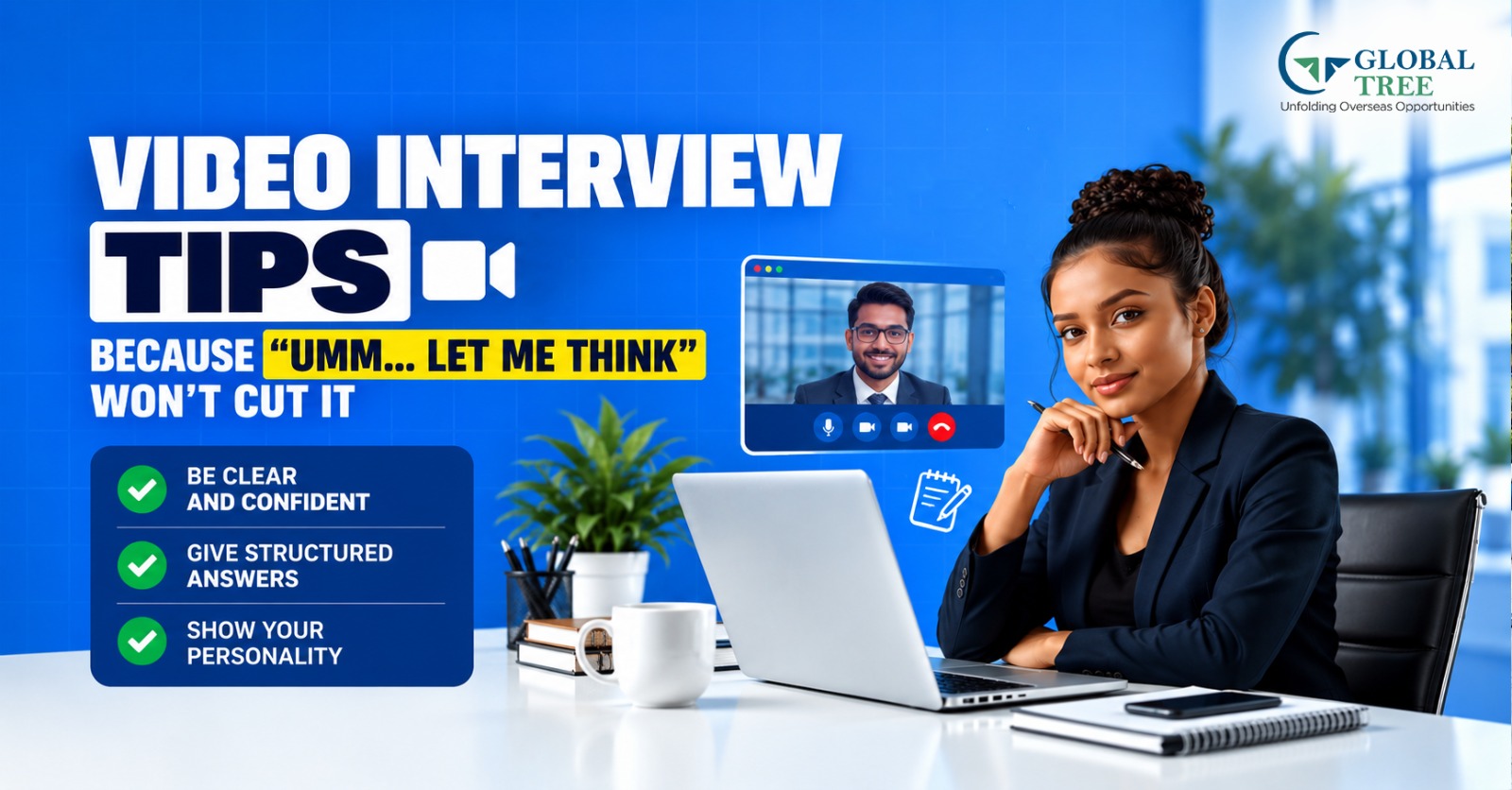
A video or online Interview is conducted by employers remotely using video conferencing tools like Zoom, Microsoft Teams, or Google Meet. Interviewees need to make sure that they have proper access to internet connectivity, microphone, camera, lighting, and background prior to the Interview. It is important to maintain proper body language and look towards the camera while talking.
6. Technical Interview
Technical interviews assess the skills and knowledge required for a specific role. Questions vary depending on the position and may cover programming, technical concepts, problem-solving, academic projects, internship experience, and other practical skills. A candidate may also be asked to demonstrate their coding and programming skills by writing computer code, analyzing a problem, or explaining how a particular process works.
7. HR Interview
The purpose of an HR interview is to examine a candidate’s communication skills, personality traits, career ambitions, preferences in working environment, and general compatibility with the company. The typical questions could include things like a candidate’s strengths, weaknesses, career ambitions, expected salary, availability, and motives to apply. HR representatives can evaluate one’s social and cultural fit. It is important to be honest, professional, and open-minded.
8. Behavioural Interview
Behavioural interview questions seek information from candidates about situations they have encountered in the past and the ways in which they managed certain situations. These could be about working as a team, leadership, problem solving, flexibility, or even conflict resolution. The candidate’s answers can be structured using the STAR framework of Situation, Task, Action and Result.
9. Situational Interview
The situational Interview is one that offers the candidate a simulated situation in the workplace and asks what they would do. The difference between the situational Interview and the behavioural Interview is that while the latter seeks to find out about experience, the former looks into the way that you will deal with future situations.
10. Case Interview
A case interview is an interview in which the candidate is given a problem that needs to be solved through business analysis. This type of interview is popular for consulting, strategic management, financial, and business positions. The case may involve issues such as market estimation, company growth, customer problems, cost estimation, and other business challenges. Candidates are usually expected to demonstrate their analytical reasoning skills through structured analysis and logical thinking during the case interview.
11. Competency-Based Interview
Competency-based interview tests skills necessary for doing the job effectively. Such skills may involve communication skills, leadership skills, teamwork skills, decision-making skills, organizational skills, problem-solving skills, and technical skills. The applicants need to provide examples in which the applicant demonstrates the respective competencies. Instead of saying that an individual has certain competencies, an example needs to be given.
12. Stress Interview
In a stress interview, the purpose is to deliberately put the candidate under stressful conditions and see how they react. This can be achieved by asking hard questions, interrupting answers, contradicting, or making the situation awkward. The idea is to test how well the candidate stays composed. The candidate should not react defensively or emotionally and must stay composed.
13. Informal Interview
The informal Interview could happen while you are having a coffee, a lunch, or even through an informal discussion, not in a conventional interview room. Even in such a relaxed environment, the informal Interview is still an aspect of the recruitment process. The employers can talk to you about your hobbies, past, experience, and career intentions.
14. Working Interview
In a working interview, candidates get a chance to prove themselves through completion of a job-related task, whether real or made up. This type of interviewing may be effective for jobs where performance counts, such as those in design, technology, hospitality, administrative, and trade areas. Employers get an opportunity to evaluate the skills of the candidate, their accuracy, efficiency, communication, and mannerisms.
15. Assessment Centre Interview
The assessment centre interview comprises various forms of assessment within a recruitment process. These include interviews, group discussions, presentations, role-playing, case studies, or other activities. Assessment is done based on the ability of the candidates to work together, communicate, lead, solve problems, make decisions, and be adaptable. The candidates must be active, listen to others, use their time well, and behave professionally.
16. Final Interview
Final interviews are normally conducted following successful candidates' progress through the earlier recruitment processes. Final interviews can be carried out by a senior manager, the departmental head, the person hiring, or even top management in the company and mostly center on the general suitability, motivation, expectations, and role suitability. The candidates must be ready to talk about their interview responses earlier on.
17. Exit or Informational Interview
Informational interviews are interviews where the aim is to educate the applicant on the profession, company, or the job in general. Exit interviews, on the other hand, are interviews that occur after an employee has left a particular company. This type of Interview aims to learn from the experience of that person as to why they left the firm.
[Learn more: Why Are Strong Negotiators More Successful at Work?]
| Sl.No. | Interview Type | What It Involves | What Employers Assess | How to Prepare |
|---|---|---|---|---|
|
1 |
One-on-One Interview |
A direct conversation between a candidate and a recruiter, HR professional, or hiring manager. |
Communication, confidence, knowledge, attitude, and role suitability. |
Review your resume, understand the job description, and prepare relevant examples. |
|
2 |
Panel Interview |
Multiple interviewers, such as HR professionals, managers, and technical experts, interview one candidate. |
Communication, confidence, technical knowledge, and ability to handle different perspectives. |
Maintain eye contact with the entire panel and answer each question clearly. |
|
3 |
Group Interview |
Several candidates participate together in discussions, activities, presentations, or problem-solving exercises. |
Teamwork, communication, leadership, listening, and collaboration. |
Participate actively, respect others' opinions, and avoid dominating the discussion. |
|
4 |
Telephonic Interview |
A phone-based screening usually conducted during the early recruitment stage. |
Communication, basic qualifications, availability, and interest in the role. |
Find a quiet place and keep your resume and job description accessible. |
|
5 |
Video or Online Interview |
An interview conducted remotely through platforms such as Zoom, Microsoft Teams, or Google Meet. |
Communication, professionalism, confidence, and role suitability. |
Test your internet, camera, microphone, lighting, and background beforehand. |
|
6 |
Technical Interview |
An assessment of technical knowledge through questions, coding, problem-solving, or practical tasks. |
Technical understanding, logical thinking, practical knowledge, and problem-solving. |
Revise core concepts and practise explaining your projects and technical decisions. |
|
7 |
HR Interview |
A discussion focused on your background, personality, career goals, availability, and workplace preferences. |
Communication, attitude, interpersonal skills, motivation, and cultural fit. |
Practise common HR questions and research the company and position. |
|
8 |
Behavioural Interview |
Questions about past experiences and how you handled particular situations. |
Teamwork, leadership, adaptability, problem-solving, and conflict management. |
Prepare real examples and use the STAR method: Situation, Task, Action, Result. |
|
9 |
Situational Interview |
Hypothetical workplace scenarios are presented and you explain how you would respond. |
Judgment, decision-making, communication, and practical thinking. |
Explain your reasoning and describe the steps you would take to solve the situation. |
|
10 |
Case Interview |
A business or professional problem is given for analysis and solution. |
Structured thinking, analytical ability, business understanding, and reasoning. |
Practise case studies, market-sizing problems, and explaining your approach clearly. |
|
11 |
Competency-Based Interview |
Questions are designed around specific skills required for the position. |
Leadership, teamwork, communication, decision-making, and problem-solving. |
Prepare examples that demonstrate each major competency mentioned in the job description. |
|
12 |
Stress Interview |
The interviewer intentionally creates pressure through challenging questions or interruptions. |
Composure, judgment, confidence, and professionalism under pressure. |
Stay calm, listen carefully, avoid defensive responses, and answer professionally. |
|
13 |
Informal Interview |
A relaxed career conversation may take place over coffee, a meal, or an informal meeting. |
Communication, personality, career interests, and professional attitude. |
Be natural and conversational while maintaining professional behaviour. |
|
14 |
Working Interview |
Candidates complete an actual or simulated task related to the position. |
Practical skills, accuracy, efficiency, communication, and ability to follow instructions. |
Understand the task, demonstrate your skills, and ask questions when clarification is needed. |
|
15 |
Assessment Centre Interview |
Candidates complete several activities, such as interviews, group discussions, presentations, and practical exercises. |
Teamwork, leadership, communication, problem-solving, decision-making, and adaptability. |
Participate actively, manage your time, listen to others, and maintain professionalism. |
|
16 |
Final Interview |
A later-stage discussion with a senior manager, department head, or hiring decision-maker. |
Overall suitability, motivation, career goals, expectations, and organizational fit. |
Review previous interview discussions and be ready to explain why you want the role. |
|
17 |
Informational Interview |
A career-focused conversation intended to learn about a profession, organization, or career path rather than directly apply for a job. |
Curiosity, communication, professional interest, and networking ability. |
Prepare thoughtful questions and research the person's role or industry beforehand. |
Interview Types Based on Recruitment Stage
1. Screening Interview
A screening interview is the first stage of the recruitment process, usually conducted by a Human Resources officer or recruiter. It is a brief discussion to assess your suitability, availability, career interests, and interest in the role. The recruiter may also want to know whether your expectations align with the job requirements. Understanding recruiter expectations is an important step to increase recruitment chances as a fresher and prepare for the next stage of the selection process.
Key focus: Qualifications, availability, motivation, communication, and basic suitability.
2. Second-Round Interview
The second interview is a more in-depth interview that happens once you have succeeded in passing the first screening stage. Here, you might be meeting the hiring manager, the technical team, or your future coworkers. Questions will be more focused on the position and could include technical, problem-solving, and work-related issues. Take time to look at the job description before the interview.
Key focus: Technical skills, behavioural abilities, projects, problem-solving, and role-specific knowledge.
3. Final Interview
Final interviews can be conducted by senior management, department heads, or other key decision-makers in the organization. The discussion typically covers your suitability, career plans, responsibilities, and other information relevant to the role and organization. Depending on the organization, it may also include salary expectations and employment documents related to previous experience, such as an experience certificate.
Key focus: Overall fit, career alignment, responsibilities, salary, availability, and hiring decision.
[Explore more: How to Write an Experience Letter for Your Next Job]
How to Prepare for Different Interview Formats
Preparation for different types of interviews will be different, yet the basic concept behind it remains the same. Preparing yourself prior to the interview, maintaining focus during the interview, and evaluating yourself after the interview will be helpful for all sorts of interviews like HR interviews, technical interviews, panel interviews, group discussions, and online interviews.
Before the Interview
- Research the Organization: Learn about the company's products, services, industry, work culture, and recent developments. This helps you understand the organization and answer questions about why you want to work there.
- Understand the Job Description: Read the job description carefully and identify the main responsibilities, qualifications, and skills required. Prepare examples that show how your education, projects, internships, or skills relate to the position.
- Identify the Likely Interview Format: Find out whether the interview will be one-on-one, technical, panel-based, online, telephonic, or involve an assessment. Knowing the format allows you to prepare for the type of questions and interaction you are likely to experience.
- Review Your Resume: Make sure you have a professional and well-structured resume and review every section before the interview so you can confidently explain your education, projects, internships, certifications, technical skills, and achievements.
- Prepare Relevant Examples: Think of examples from college, internships, projects, or extracurricular activities that demonstrate skills such as teamwork, leadership, problem-solving, adaptability, and communication. Having real examples makes your answers more specific and credible.
During the Interview
- Listen Carefully: Pay attention to the complete question before responding. Avoid interrupting the interviewer, and take a moment to understand what they are actually asking.
- Answer Clearly: Knowing how to present your abilities in an interview can help you give clear, relevant answers without being too brief or going off topic.
- Maintain Professional Body Language: Sit comfortably, maintain appropriate eye contact, and use natural facial expressions. In online interviews, look toward the camera when speaking and remain attentive throughout the conversation.
- Ask for Clarification When Necessary: If you do not understand a question, it is perfectly reasonable to ask the interviewer to clarify it. This is better than giving an unrelated answer based on an assumption.
- Support Answers With Real Examples: Whenever possible, explain your answer using a specific experience. For example, instead of saying that you are good at teamwork, describe a college project where you collaborated with others and explain your contribution.
After the Interview
- Review Challenging Questions: After the interview, think about questions that were difficult to answer. Note what you found challenging and research the topics if additional preparation is needed.
- Identify Areas for Improvement: Consider whether you need to improve your technical knowledge, communication, confidence, time management, or ability to explain your experiences.
- Reflect on Your Performance: Review what went well and what could have been handled differently. This reflection can help you become better prepared for future interviews.
- Follow Up Professionally When Appropriate: If appropriate, send a brief and polite follow-up message thanking the interviewer for their time and expressing your continued interest in the opportunity. Keep the message professional and concise.
Which Interview Types Are Common for Freshers?
Fresh graduates can face various kinds of interviews according to the organization, position offered, and recruitment process adopted. Normally, any recruitment process adopted for recruiting candidates at an entry level will have a primary objective of assessing the basics of the candidate, including their communication skills and learning ability.
- Screening Interview: Usually the first stage, where an HR professional or recruiter checks your basic qualifications, availability, career interests, and motivation.
- HR Interview: Focuses on personality, communication, strengths, weaknesses, career goals, teamwork, salary expectations, and overall suitability for the organization.
- Technical Interview: Common for IT, engineering, finance, data, and other specialized roles. Questions may cover subject fundamentals, technical skills, projects, coding, or practical problem-solving.
- One-on-One Interview: A direct conversation with a recruiter, hiring manager, or team member. It may combine HR, behavioural, and role-related questions.
- Panel Interview: Several interviewers assess the candidate together. Freshers may meet HR representatives, managers, technical experts, or other team members during this stage.
- Behavioural Interview: Candidates are asked about previous experiences, such as handling a difficult project, working in a team, solving a problem, or responding to feedback.
- Situational Interview: The interviewer presents a hypothetical workplace situation and asks how you would handle it. This helps assess judgment, adaptability, and decision-making.
- Group Interview: Multiple candidates participate in a discussion, activity, or problem-solving exercise. Employers observe communication, teamwork, listening, and leadership potential.
- Video or Online Interview: Increasingly common for remote recruitment and initial screening. Candidates should be prepared for both HR and technical questions while ensuring their camera, microphone, internet connection, and surroundings are suitable.
- Assessment or Practical Interview: Candidates may be given a task, test, case study, coding exercise, presentation, or other practical assignment related to the position.
It may vary from organization to organization. The fresher might go through two or three rounds, whereas an organization may go for multiple rounds, such as screening, aptitude test, technical interview, HR interview, and final discussion. Having an idea about the recruitment process beforehand will be helpful for preparation purposes.
[Discover more: Interview Questions Every Fresher Should Prepare For]
Conclusion
Knowledge of the types of interviews enables applicants to prepare for their respective formats. The technical interview could be based on knowledge of the particular job, while the behavioral interview will examine experience and abilities in the work environment. Interviews such as the online interview, panel interview, group interview, case interview, and HR interview each have their own unique ways of preparation.